Beyond the Pink: From Education to Action
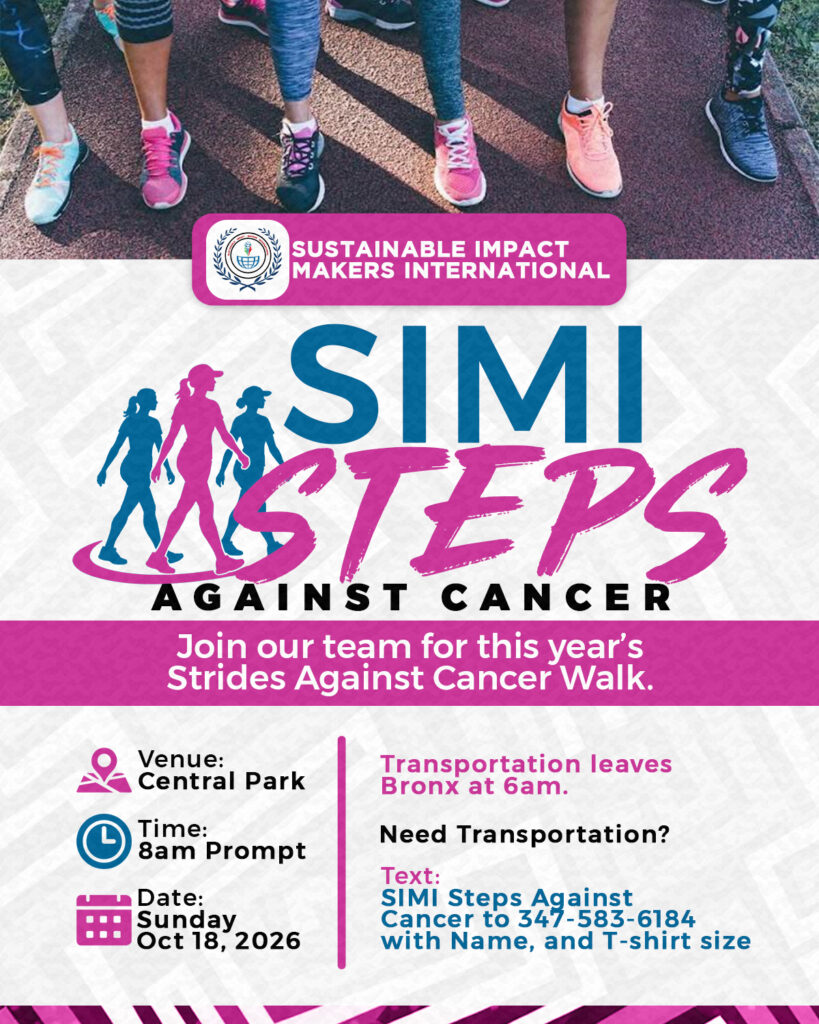
On October 18, Sustainable Impact Makers International (SIMI) will once again join thousands of people for the Making Strides Against Breast Cancer walk.
But for us, this walk is about more than wearing pink.
It is about the women whose lives have been interrupted by a diagnosis.
It is about families who have stood beside someone through treatment.
It is about survivors.
It is about those we have lost.
And it is about the women in our communities who may still be postponing a mammogram, ignoring a change in their bodies, or wondering where to turn for help.
Every step carries a story.
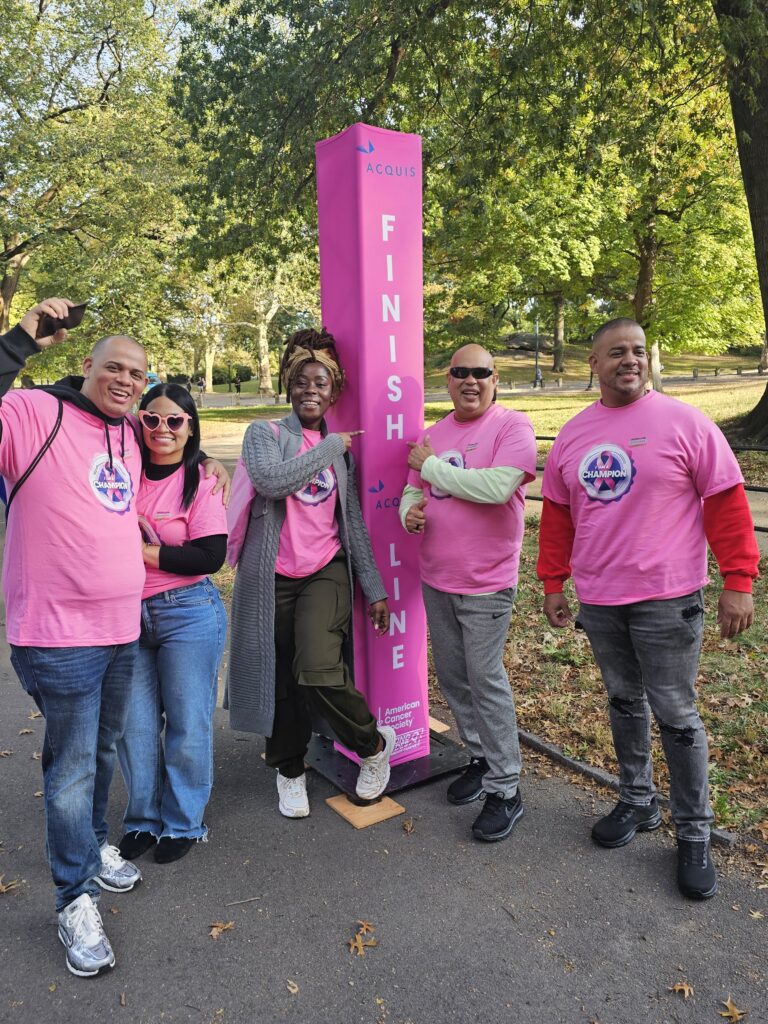
Last Year, We Walked with Our Champions
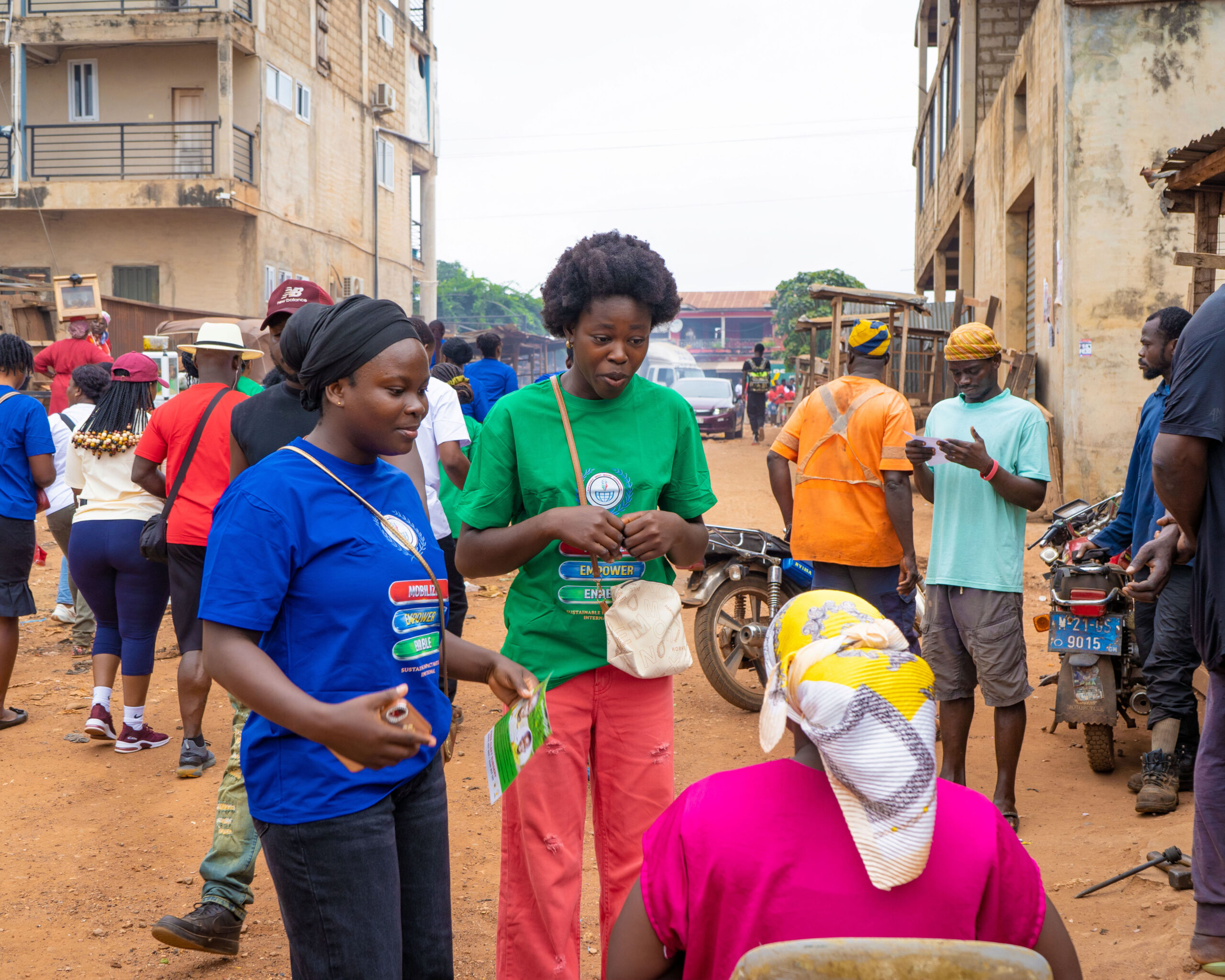
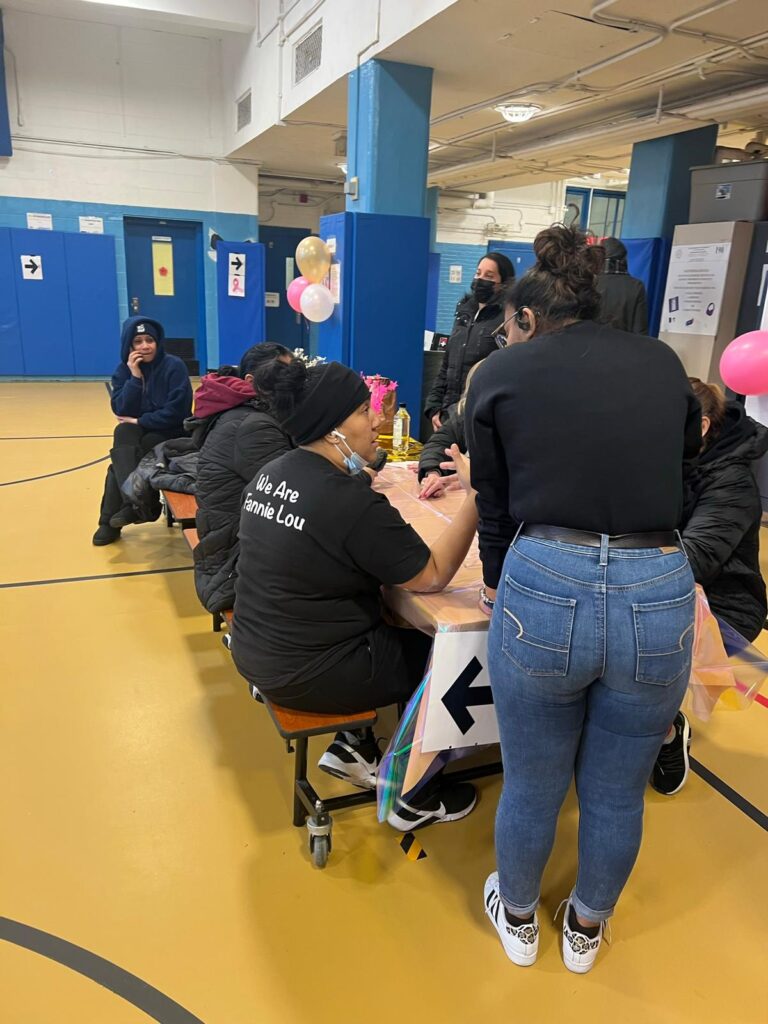
Last year, SIMI participated in the walk shortly after launching our first cohort of Champions, community members equipped with breast-health knowledge and empowered to take that information back into their families, churches, workplaces, and neighborhoods. The idea behind the Champion Program was simple:
Health information should not stop with the person who receives it. When one woman understands the importance of knowing her body, recognizing changes, asking questions, and getting screened, that knowledge can travel.
From one woman to her sister.
From a mother to her daughter.
From a friend to another friend.
From one Champion to an entire community.
The Story Behind the Champions
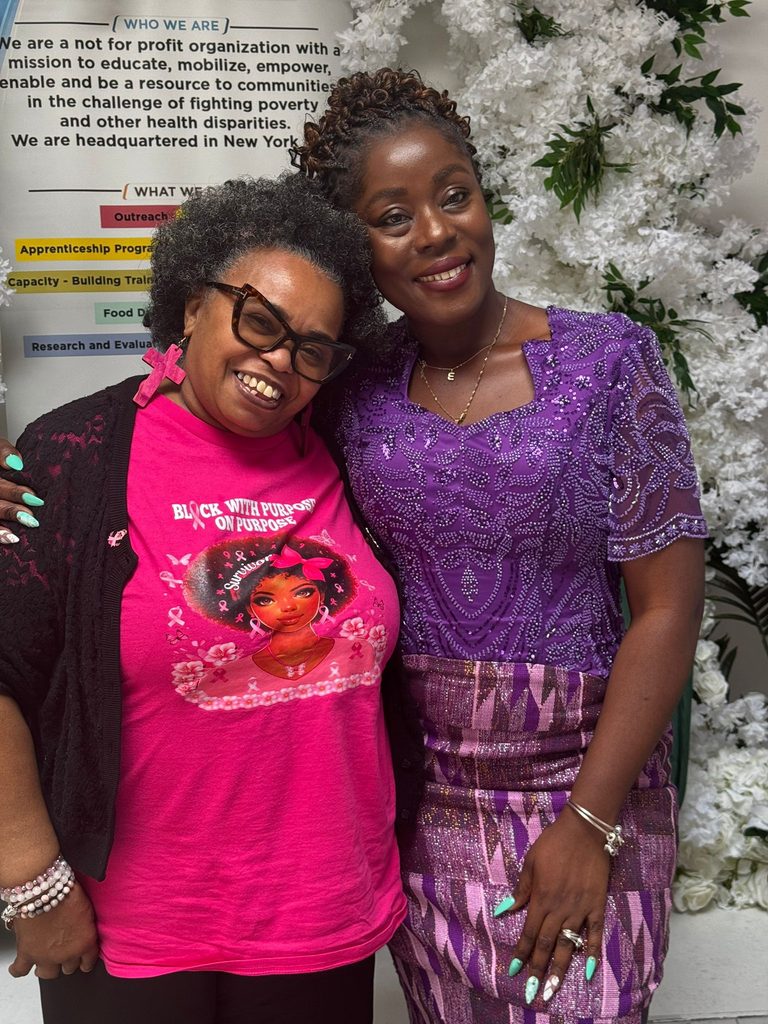
For SIMI Founder and President Dr. Evelyn Botwe, the Champion Program began long before it had a name.
In her 20s, she felt a lump in her breast and did what women are encouraged to do: she sought medical care. What she did not expect was how difficult it would be to access a breast specialist.
Her age often seemed to become part of the explanation for why there was no urgency. She was young, and with that came an underlying assumption that there was time to wait. What followed was not one appointment or one unanswered question, but nearly five years of navigating care, seeking answers, and trying to understand what she should do next.
Along the way, she met other women carrying their own questions. Women who had noticed changes in their bodies but were unsure whether they should be concerned. Women who did not know what questions to ask. Women trying to navigate referrals and healthcare systems they did not fully understand. And women who simply needed someone to tell them, “Your concern deserves to be heard.”
Those conversations planted the earliest seed for what would eventually become SIMI’s Champion Program.
“I was in my mid-20s when I first felt a lump. I did what we tell women to do; I sought care. But being young sometimes felt like a reason for my concern not to be treated with urgency. As I spent years navigating the healthcare system, I realized I wasn’t the only woman with questions and no clear answers. I kept thinking: What happens to the woman who doesn’t know how to advocate for herself, doesn’t know what to ask, or simply gives up? That question stayed with me.”
The idea did not immediately become a program.
It would take several more years of research, listening, program development, piloting, and data collection before the concept grew into an evidence-informed community model. But its foundation remained the same: women should not have to navigate breast health alone.
The Champion Program was created to equip community members with breast-health knowledge and the confidence to carry that knowledge beyond themselves, to their sisters, mothers, daughters, friends, churches, workplaces, and neighborhoods.
For Dr. Botwe, seeing the first cohort of Champions walk together was therefore deeply personal.
“When I looked at our first Champions walking together, I saw something much bigger than a program. I saw people equipped to become the person I needed when I was 26, someone who could say, ‘Ask another question. Seek another opinion. Pay attention to your body. Keep advocating for yourself.’ That is why I walk. And that is why we created Champions.”
What began with one young woman’s unanswered questions had become a community of women prepared to help others ask theirs. That is the power of a Champion.
Those first Champions reminded us that breast cancer awareness becomes much more powerful when people see themselves as part of the solution.
Every Step Carries Someone’s Story
Behind breast cancer statistics are real people.
A woman waiting for her mammogram results.
A survivor celebrating another year.
A daughter remembering her mother.
A caregiver sitting beside someone during treatment.
A woman who found a lump but is afraid of what comes next.
And another woman who has never been screened because access, cost, fear, time, or simply life itself keeps getting in the way.
These are some of the reasons we walk.
A Champion Walking in Her Mother’s Memory
“I walk for my mother. Breast cancer took her from us, but it did not take away what she taught me about strength, love, and showing up for others. Becoming a Champion gave me a way to turn my loss into purpose. If sharing what I have learned encourages even one woman to pay attention to her body, ask questions, or get screened, then my mother’s story continues to make a difference. Every step I take is in her memory and for every daughter who deserves more time with her mother.” 2025 Cohort Participant.
A Survivor Who Became a Champion
“I walk because I am still here. I know what it feels like to hear the words ‘breast cancer’ and suddenly have your life divided into before and after. I also know what it means to come through treatment and be given the opportunity to keep living, loving, and serving. Becoming a Champion allowed me to turn my experience into something that could help another woman. I walk for the woman who was just diagnosed, the woman waiting for her results, and the survivor learning how to live beyond cancer. I want them to see me and know there can be life, purpose, and hope on the other side.” 2025 Breast Health Ambassador.
Walking creates visibility. But visibility must lead somewhere. For SIMI, that means turning awareness into action.
KNOW.
Know your body.
Health education gives people the information they need to recognize changes and understand when something may require medical attention.
Knowledge does not replace medical care, but it can help someone know when to seek it.
SPEAK.
Talk about breast health.
Talk to your family.
Talk to your friends.
Ask questions during medical appointments.
Share screening information.
And when something feels different, say something.
Silence should never be the reason someone delays seeking care.
SCREEN.
Awareness alone cannot detect cancer.
Screening can.
Too many women, particularly those navigating financial, cultural, immigration, insurance, transportation, or healthcare-access barriers, can hear breast cancer messages throughout October and still struggle to access actual screening.
That is why SIMI’s work must extend beyond education.
We want women to move from hearing the message to accessing the care they need.
ACT.
Make the appointment.
Encourage someone else to make theirs.
Share a resource.
Become a Champion.
Support community screening efforts.
Walk with us.
Because breast cancer awareness becomes meaningful when awareness changes what we do.
We Are Not Walking Alone
When SIMI steps onto the route on October 18, we will carry more than our organization’s name.
We will carry the stories of our Champions.
We will carry the experiences of the women and families we serve.
We will carry the memory of those who are no longer able to walk themselves.
And we will walk beside survivors, caregivers, advocates, healthcare professionals, families, and thousands of others who believe that fewer lives should be lost to breast cancer.
Every person may arrive with a different story.
But for those few miles, we move in the same direction.
Beyond the Pink
October will eventually end.
The pink ribbons will come down.
The walks will finish.
The social media campaigns will slow.
But breast cancer will not disappear on November 1.
Neither should our commitment.
For SIMI, this year’s walk is another step in a much larger journey from education to action, from awareness to screening, and from individual knowledge to healthier communities.
So, on October 18, we walk.
We walk for those who fought.
We walk for those still fighting.
We walk for those we remember.
We walk for the woman who still needs to schedule her screening.
And we walk toward communities where every woman has the knowledge, support, and access she needs to protect her health.
KNOW. SPEAK. SCREEN. ACT.
Because every step carries a story, and every story deserves the chance to continue.