
Why Faith Leaders Matter
Faith leaders have a strong voice to promote health equity and are greatly trusted by their communities. Beliefs are formed, and decisions are influenced by the pastor, imam, and traditional leaders. Health is the topic people listen to when it comes to life. They are important because they:
- Establish trust in settings where institutions may not.
- Interpret health-related information in a culturally sensitive way.
- Quickly and effectively mobilize communities.
- De-normalize taboo topics such as cancer, mental health, and menstruation.

Their leadership translates into action and facilitates the acceptance of prevention and care by communities.
Health Equity in Action
SIMI’s partnerships with faith leaders highlight how far progress has been made on health equity when trusted voices are engaged.
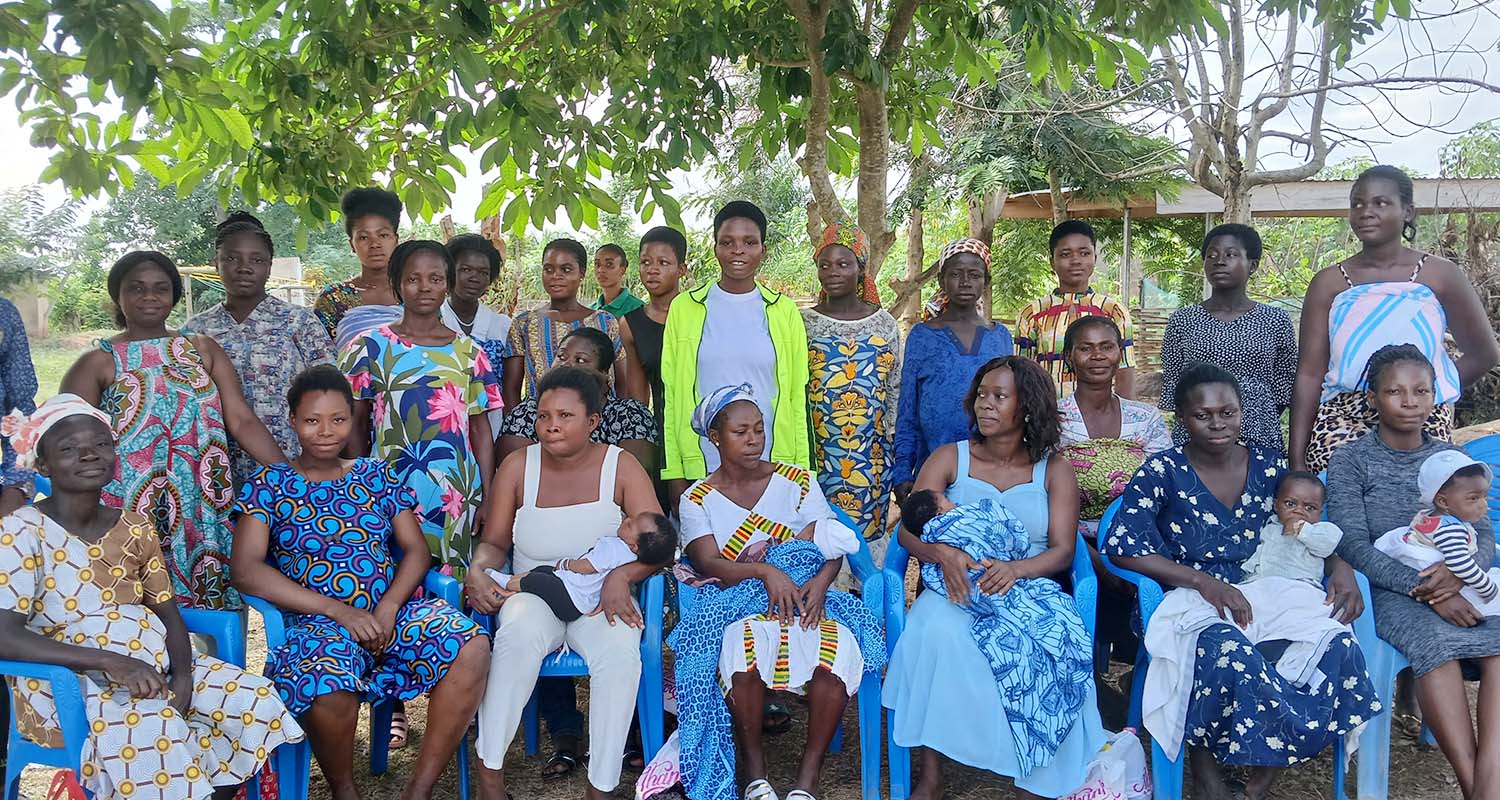
- In Ghana, screening rates have risen among men and women when encouraged by pastors.
- In Belize, imams have spoken openly about menstruation, which has helped to decrease the stigma of menstruation and increase support for girls.
- Traditional leaders in the Bronx play a key role in helping to establish safe spaces for youth to take advantage of wellness programs without fear or judgment.

These examples demonstrate that when health messages reach communities via cultural and spiritual pathways, communities respond.
Summit Spotlight
In Ghana at the 2026 SIMI Global Health Equity Summit, the voices of faith leaders will influence the creation of solutions that can be trusted by communities. When cultural and spiritual leaders are engaged, they are a reminder that health equity is moving forward.

Faith leaders are not only partners, but they are also critical voices in the world of prevention, dignity, and care.